Toegye Lee Hwang was offered high government positions several times, but he resigned from his official position due to illness and his own wishes and returned to his hometown. In his later years, he built Dosan Seodang, where he read books, taught his students, and observed the surrounding nature. Instead of leaving the time after retiring from government office as simply resting, he created a center of daily life that was different from before.
Of course, the retirement of scholars during the Joseon Dynasty and retirement today are not the same. Realities such as living expenses, re-employment, and parental care are also different. Still, the fact that I gave up the position I held for a long time and found a new place to learn, people, and see every day has implications for my current retirement preparations.
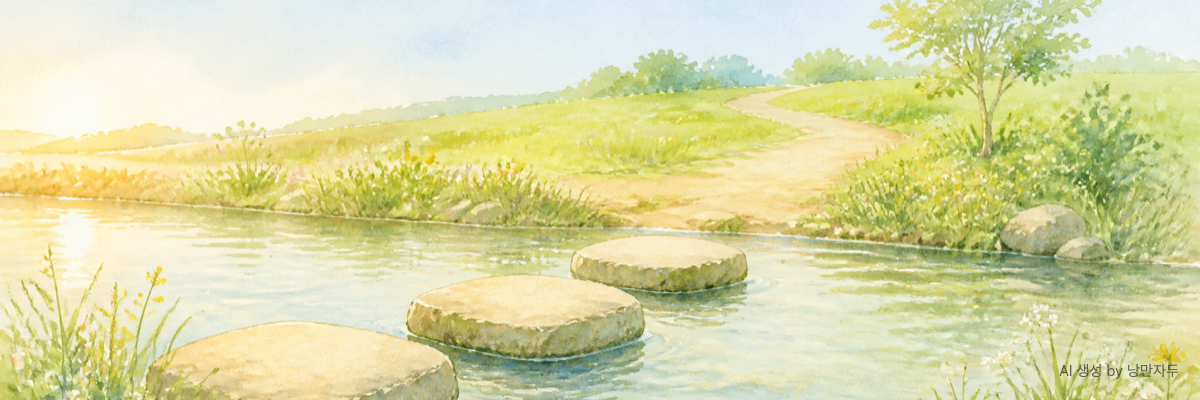
Toegye did not create a large space like today's Dosan Seowon from the beginning. He continued to live and study at the small Dosan Seodang, which was expanded by his disciples after his death. This scene shows that a new beginning does not have to be complete from the beginning.
You may feel refreshed when you finish your last day at work, but you may feel strange the next morning. The relief of not having to rush anymore comes with the emptiness of not knowing where to go now. Retirement in your late 50s or early 60s is not a rest after living a full life. There is still work to be done in terms of physical strength, but it is a transitional period where the familiar role is finished first.
If you start with a 10-year plan during this time, your heart may become heavier. First of all, it is realistic to slowly build up the three axes of body, people, and tasks over the first 100 days.
My first goal after retirement is not to achieve great success, but to reorganize my weekdays with my own strength.
🌅 First, don’t change your wake-up time too much.
You also need the joy of sleeping in without an alarm. However, if your bedtime and wake-up times vary greatly from day to day, it can become difficult to start your day. Even if it's an hour or two later than when you go to work, setting a standard time for weekdays creates a framework for your life.
Things to do in the morning don’t have to be grand. After washing and changing clothes, it is enough to walk outside the house for 20 minutes or write down your daily schedule while drinking tea at the same time. You should consult with a medical professional or specialist regarding exercise appropriate for your health condition.
 AI 생성 by 낭만자두
🗓️ Divide 100 days into three sections
You can leave the first two weeks as a rest period. Try sleeping without an alarm, meet someone you've been putting off, and see how tired your body is. However, it is better to set a small standard of going out of the house once a day or washing at a certain time so that eating and sleeping are not completely disrupted.
From the third week to the second month, lightly test various lifestyles. You can schedule time to try an exercise class, visit the library, or look up job search information. At this time, focus on checking whether it is right for you rather than registering for a long period of time or spending a large amount of money.
🤝 Second, make an appointment with someone twice a week
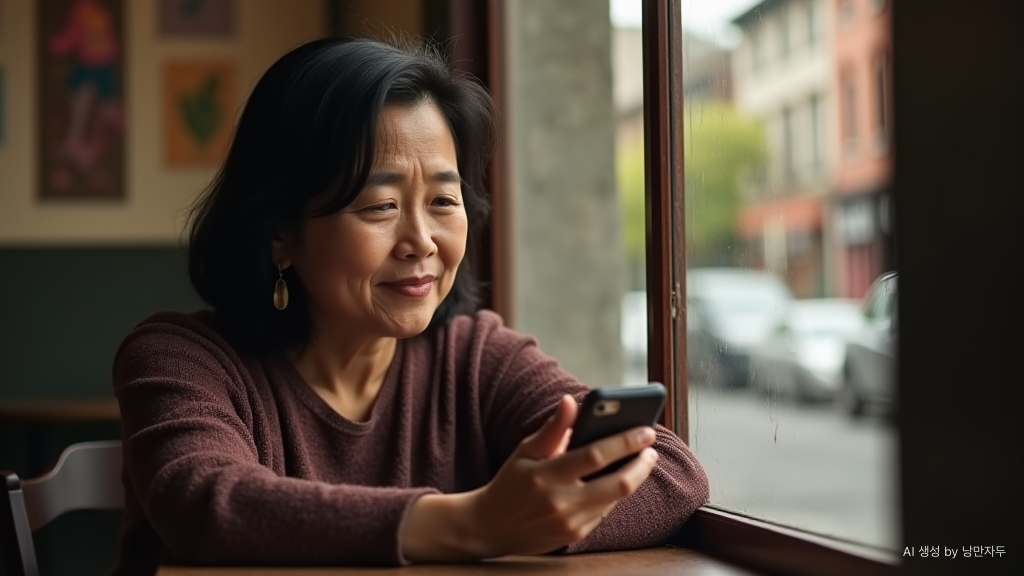
At work, we have conversations without being conscious of it, but after retirement, I have to make a promise first. You don't have to meet every day. You can schedule one meeting with someone close to you and another meeting with a specific person repeatedly, such as a class or exercise.
If you are preparing for a new job or taking on the responsibility of caring for a parent, you may not have much time. In that case, it is better to make promises that can be kept, such as a 20-minute phone call or a short lunch, rather than a long meeting.
 AI 생성 by 낭만자두
🛠️ Third, have one task to do that has nothing to do with your income.
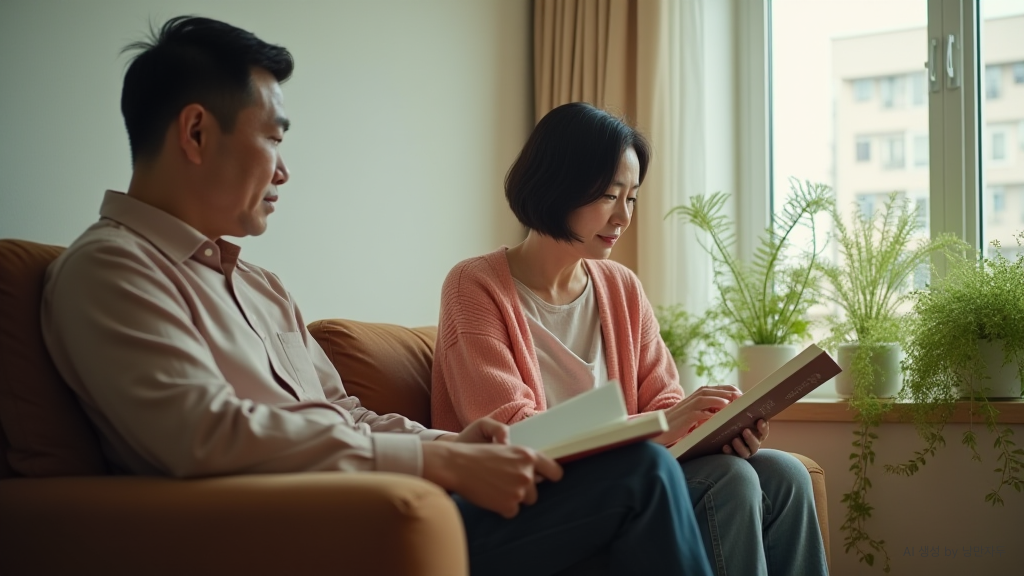
Immediately after retirement, it is easy to start thinking about how you will make money again. Preparing for re-employment is important, but it can be tiring when an entire day is spent waiting for results to come out. Have one task you can mark as completed today, such as recording a walk, organizing the house, cooking, writing, or volunteering.
Little things to do are not hobbies to pass the time. It's a process of regaining the sense that I can move through my day without a job title. The second task can be chosen more calmly based on this rhythm.
On Sunday, you can take a quick look back at your week. Write down the most comfortable time, the schedule that was more difficult than expected, and the things you plan to do next week. Even if there are a lot of blank spaces, don't pass them off as a backlog and reselect only what you need for the new week.
If you feel down, have trouble sleeping or eating for a long time, or find daily life difficult, don't try to get by with willpower alone. It is necessary to inform your family or someone you trust and seek professional help, such as a mental health center or medical institution.
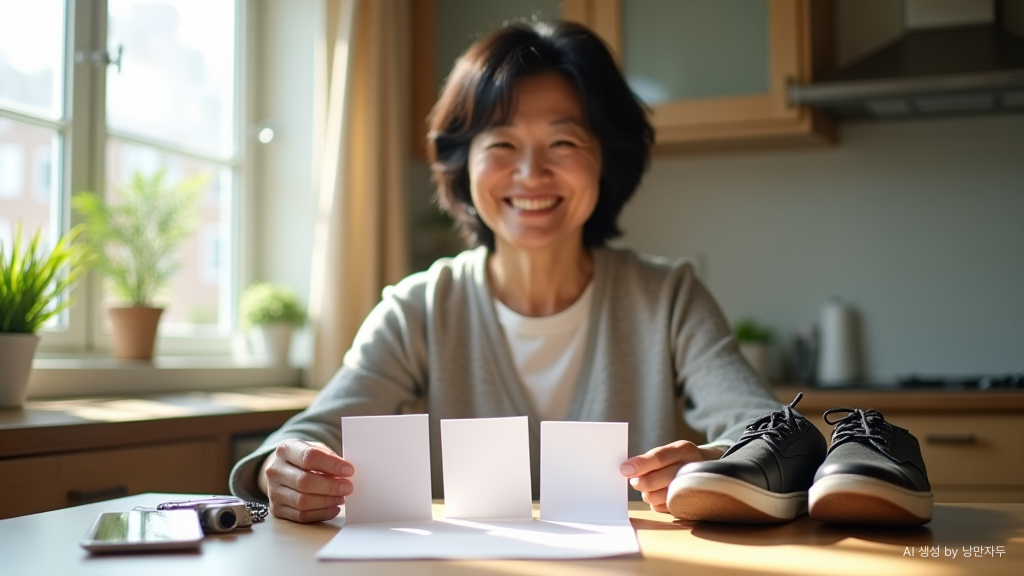
☕ One ticket for the first 100 days
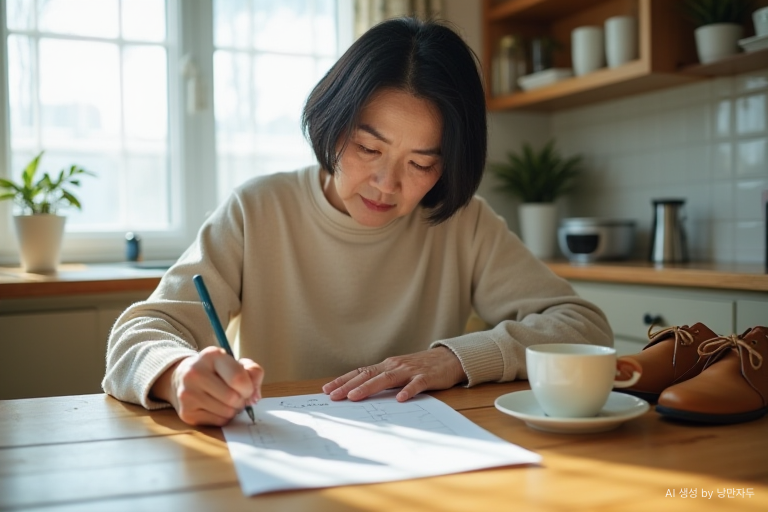
Divide the paper into three columns and write ‘Body, People, and Things to Do’. In each space, write just one thing you want to keep this week. Small, checkable promises are good, like waking up at 8 a.m., having lunch with a friend on Wednesday, and organizing one photo each day.
Retirement is not something that comes after you have lived your entire life. This is the beginning of breaking away from the schedule set by others for a long time and designing a new weekday for those in their late 50s and 60s. Rather than trying to spend the first 100 days perfectly, how about using it as a period to discover a rhythm that suits you?